
Product Categories
Product Search
Online Support

Mr Tài - 0869685636

Ms Hồng - 0964602568

Ms Yến: 0984345846
Ms Quỳnh: 0983607668
Selling Products
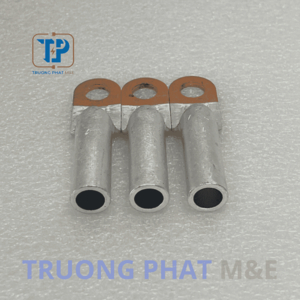
Copper-Aluminum Terminal Lug 70mm2
🌟Copper-Aluminum Terminal Lug 70mm2 ⚡
✅ Why choose us?
- 📦 Genuine imported products – Guaranteed high quality.
- 📝 Complete documentation: Transparent CO, CQ, and VAT invoices.
- 📦 Large stock availability: Always ready to meet your needs.
📞 Contact us now:
📌 Sales 1: 0983.607.668
📌 Sales 2: 0964.602.568
📌 Emergency: 0869.685.636
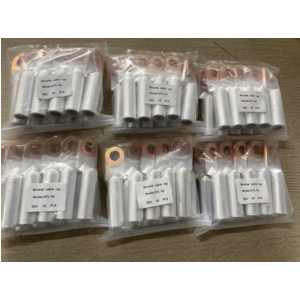
DTL-95 copper-aluminum
DTL-95 copper-aluminum (bimetal) cable lug is a high-quality, die-cast lug used to terminate 95mm² aluminum conductors to busbars, terminals, and MCCBs in power distribution systems.
-
Strong crimp grip and stable electrical contact
-
Helps reduce cracking during crimping (with correct die & method)
-
Durable structure, lower oxidation risk at the joint
👉 Send your bolt size (M…) + quantity for a fast quotation.
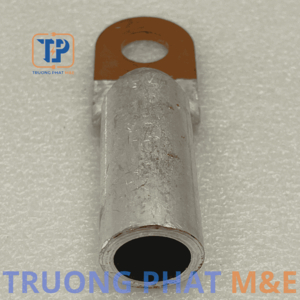
DTL-300 Bimetallic Cable Lug
🌟DTL-300 Bimetallic Cable Lug⚡
✅ Why choose us?
- 📦 Genuine imported products – Guaranteed high quality.
- 📝 Complete documentation: Transparent CO, CQ, and VAT invoices.
- 📦 Large stock availability: Always ready to meet your needs.
📞 Contact us now:
📌 Sales 1: 0983.607.668
📌 Sales 2: 0964.602.568
📌 Emergency: 0869.685.636
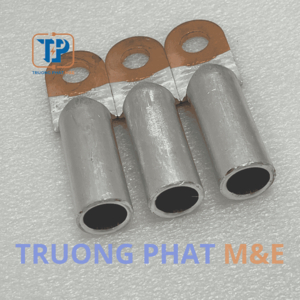
DTL-240 Bimetallic Cable Lug
🌟DTL-240 Bimetallic Cable Lug⚡
✅ Why choose us?
- 📦 Genuine imported products – Guaranteed high quality.
- 📝 Complete documentation: Transparent CO, CQ, and VAT invoices.
- 📦 Large stock availability: Always ready to meet your needs.
📞 Contact us now:
📌 Sales 1: 0983.607.668
📌 Sales 2: 0964.602.568
📌 Emergency: 0869.685.636
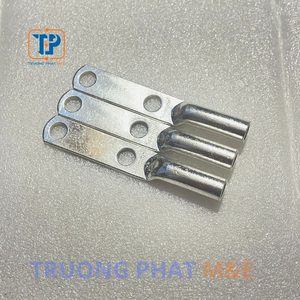
SC 50 2-Hole Copper Lug
SC 50 2-Hole Copper Lug
✅ Why choose us?
- 📦 Genuine imported products – Guaranteed high quality.
- 📝 Complete documentation: Transparent CO, CQ, and VAT invoices.
- 📦 Large stock availability: Always ready to meet your needs.
📞 Contact us now:
📌 Sales 1: 0983.607.668
📌 Sales 2: 0964.602.568
📌 Emergency: 0869.685.636
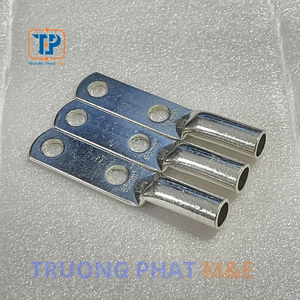
Đầu cos đồng SC 70 hai lỗ
🌟Duckbill Terminal Lug for 50mm² Wire ⚡
✅ Why choose us?
- 📦 Genuine imported products – Guaranteed high quality.
- 📝 Complete documentation: Transparent CO, CQ, and VAT invoices.
- 📦 Large stock availability: Always ready to meet your needs.
📞 Contact us now:
📌 Sales 1: 0983.607.668
📌 Sales 2: 0964.602.568
📌 Emergency: 0869.685.636
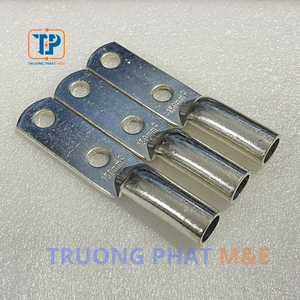
SC 95 2-Hole Copper Cable Lug
SC 95 2-Hole Copper Cable Lug
✅ Why choose us?
- 📦 Genuine imported products – Guaranteed high quality.
- 📝 Complete documentation: Transparent CO, CQ, and VAT invoices.
- 📦 Large stock availability: Always ready to meet your needs.
📞 Contact us now:
📌 Sales 1: 0983.607.668
📌 Sales 2: 0964.602.568
📌 Emergency: 0869.685.636
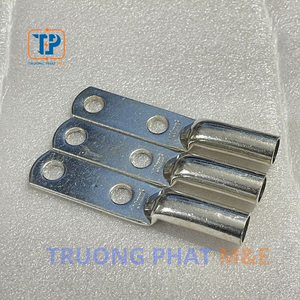
SC 120 two-hole copper lug
SC 120 two-hole copper lug is used to connect 120mm² power cable to busbar, terminal block, MCCB in LV/MV panels (as required by design). Two-hole palm helps prevent rotation, keeps contact stable, and improves mechanical holding during installation/maintenance.
-
In-stock, ready to ship
-
Support selecting correct bolt size & hole spacing
-
VAT invoice available (upon request)
-
Suitable for projects & large-quantity orders
👉 Contact us for a quick quote and the correct spec.
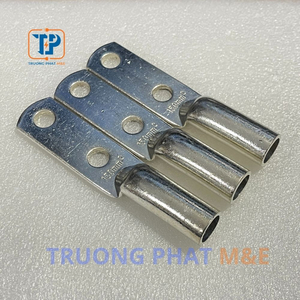
C 150 two-hole copper lug
SC 150 two-hole copper lug is used to connect 150mm² power cable to busbars, terminal blocks, and MCCB/ACB points in LV/MV panels. The 2-hole palm reduces lug rotation during tightening and improves contact stability at high-load connections. Suitable for project/panel shops needing consistent workmanship and easy torque re-checks.
-
Fits 150mm² cable
-
Two-bolt fixing prevents rotation
-
For busbar/terminal/MCCB connections
-
CO/CQ & VAT support (by batch)
👉 Contact us for correct bolt-hole size & pitch.
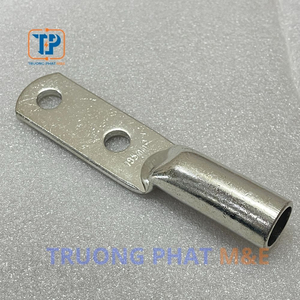
SC 150 two-hole copper lug
SC 150 two-hole copper lug is used to connect 150mm² power cable to busbars, terminal blocks, and MCCB/ACB points in LV/MV panels. The 2-hole palm reduces lug rotation during tightening and improves contact stability at high-load connections. Suitable for project/panel shops needing consistent workmanship and easy torque re-checks.
-
Fits 150mm² cable
-
Two-bolt fixing prevents rotation
-
For busbar/terminal/MCCB connections
-
CO/CQ & VAT support (by batch)
👉 Contact us for correct bolt-hole size & pitch.
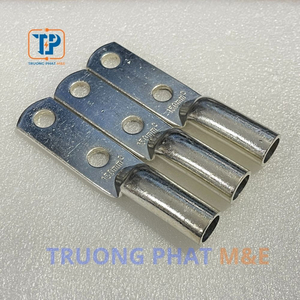
SC 240 two-hole copper lug
SC 240 two-hole copper lug (DTG2-240) is used to crimp 240mm² copper cable and bolt it to busbars, terminals, or MCCBs. The 2-hole design improves mechanical stability, helps prevent twisting, and supports a more secure connection in switchboards and power distribution projects. Dimensions are provided per the technical drawing for easy site verification (hole spacing, hole diameter, overall length).
-
Benefits:
-
2-hole fixing reduces rotation
-
Drawing-based dimensions for quick checking
-
Suitable for busbar/terminal/MCCB connections
Contact us for a fast quotation and correct bolt-hole matching.
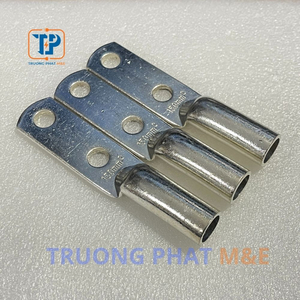
SC 300 two-hole copper lug
SC 300 two-hole copper lug (DTG2-300) is used to crimp 300mm² cable and bolt it to busbars, terminals, or MCCBs. The 2-hole design improves mechanical stability and helps prevent twisting, especially with heavy cables. Suitable for medium-voltage and low-voltage switchboards, construction works, and projects requiring a firm mechanical joint. Includes a drawing-based dimension table for quick checking before punching/drilling busbar holes.
-
2-hole fixing reduces rotation
-
Drawing-based dimensions for quick verification
-
Suitable for busbar/terminal/MCCB connections
-
Project quantities supported (large stock)
Contact us for a fast quotation & correct hole/bolt matching.
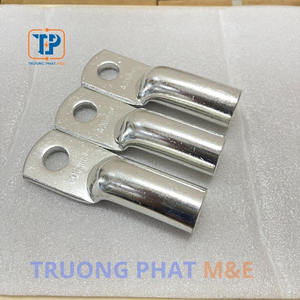
SC 400-20 Long Copper Cable Lug
SC 400-20 Long Copper Cable Lug
| Attribute | Details |
|---|---|
| Product Name | SC 400-20 Long Copper Cable Lug |
| Material | Tin-plated pure copper |
| Cable Size | 400mm² |
| Bolt Hole Diameter | Ø20mm |
| Type | Long barrel – hydraulic crimp type |
| Application | Medium and low voltage systems |
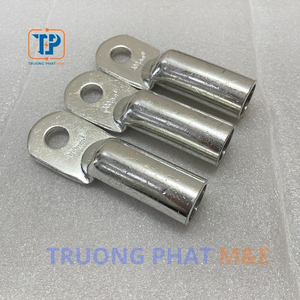
300-16 Long Copper Cable Lug
SC 300-16 Long Copper Cable Lug
| Specification | Details |
|---|---|
| Product Name | 300-16 Long Copper Cable Lug |
| Material | Pure copper with tin plating |
| Cable Size | 300mm² |
| Bolt Hole Diameter | Ø16mm |
| Type | Long barrel – hydraulic crimp type |
| Application | Medium/Low voltage power systems |
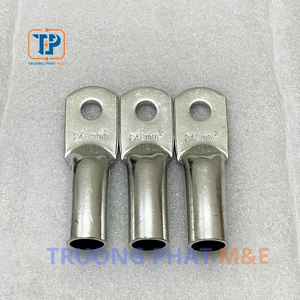
SC 240-14 Long Copper Cable Lug
SC 240-14 Long Copper Cable Lug
| Specification | Details |
|---|---|
| Product Name | SC 240-14 Long Copper Cable Lug |
| Material | Pure copper with tin plating |
| Cable Size | 240mm² |
| Bolt Hole Diameter | Ø14mm |
| Type | Long barrel – hydraulic crimp type |
| Application | Medium/low-voltage power systems |
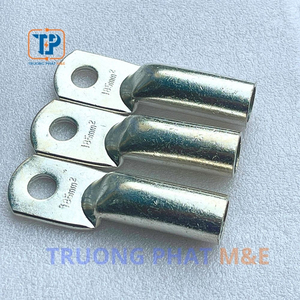
185-14 Long Copper Cable Lug
SC 185-14 Long Copper Cable Lug
| Specification | Details |
|---|---|
| Product Name | 185-14 Long Copper Cable Lug |
| Material | Pure copper with tin plating |
| Cable Size | 185mm² |
| Bolt Hole Diameter | Ø14mm |
| Type | Long barrel – hydraulic crimp type |
| Standard Use | Medium and low-voltage systems |
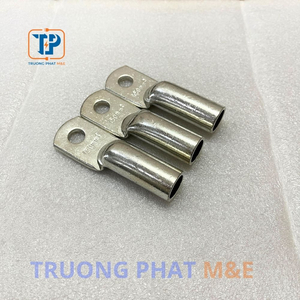
150-12 Long Copper Cable Lug
150-12 Long Copper Cable Lug
| Specification | Details |
|---|---|
| Product Name | 150-12 Long Copper Cable Lug |
| Material | Pure copper with tin plating |
| Cable Size | 150mm² |
| Bolt Hole Diameter | Ø12mm |
| Type | Long barrel – hydraulic crimp type |
| Application | Suitable for medium/low-voltage |
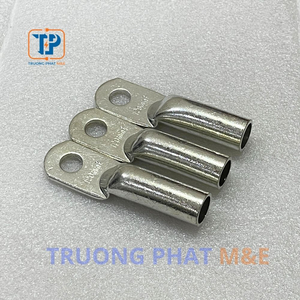
SC 120-12 Long Copper Cable Lug
SC 120-12 Long Copper Cable Lug
| Specification | Details |
|---|---|
| Product Name | SC 120-12 Long Copper Cable Lug |
| Material | Pure copper with tin plating |
| Cable Size | 120mm² |
| Bolt Hole Diameter | Ø12mm |
| Type | Long barrel – hydraulic crimp type |
| Standard Use | Medium to low-voltage installations |
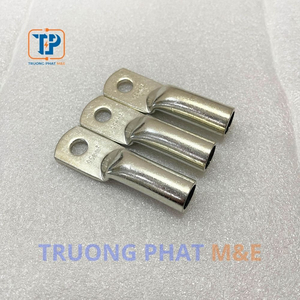
Long barrel copper cable lug 95mm²
Long barrel copper cable lug 95mm² for secure connection of 95mm² copper cables to MCCB, busbar and terminal blocks in electrical panels.
-
Extended barrel design for stronger crimping area
-
Reliable current transmission in medium & low voltage systems
-
Suitable for hydraulic crimping tools (95mm² die)
-
Ideal for industrial panels, ATS, solar systems
Contact us today for quotation and technical consultation.
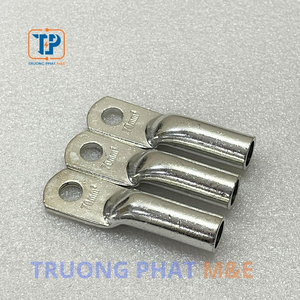
SC 70 LONG COPPER CABLE LUG
| Specification | Technical Value |
|---|---|
| 🔹 Model | SC-70 Long |
| 🔹 Cable cross-section | 70mm² |
| 🔹 Overall length (L) | 80mm |
| 🔹 Crimping barrel length (L1) | 41mm |
| 🔹 Bolt hole diameter (Ø) | 8.5mm |
| 🔹 Outer diameter (D) | 14mm |
| 🔹 Inner diameter (d) | 12mm |
| 🔹 Thickness (S) | 3.5mm |
| 🔹 Palm width (W) | 18.5mm |
| 🔹 Transition angle | 45° |
| 🔹 Material | Pure red copper |
| 🔹 Crimping method | Hydraulic crimping |
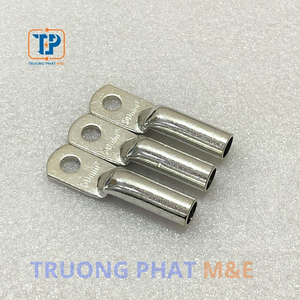
LONG CABLE LUG 50MM²
LONG CABLE LUG 50MM²
✅ Why choose us?
- 📦 Genuine imported products – Guaranteed high quality.
- 📝 Complete documentation: Transparent CO, CQ, and VAT invoices.
- 📦 Large stock availability: Always ready to meet your needs.
📞 Contact us now:
📌 Sales 1: 0983.607.668
📌 Sales 2: 0964.602.568
📌 Emergency: 0869.685.636
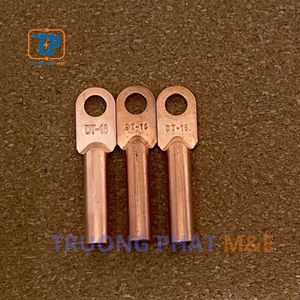
DT-16 Solid Copper Lug
🌟DT-16 Solid Copper Lug⚡
✅ Why choose us?
- 📦 Genuine imported products – Guaranteed high quality.
- 📝 Complete documentation: Transparent CO, CQ, and VAT invoices.
- 📦 Large stock availability: Always ready to meet your needs.
📞 Contact us now:
📌 Sales 1: 0983.607.668
📌 Sales 2: 0964.602.568
📌 Emergency: 0869.685.636
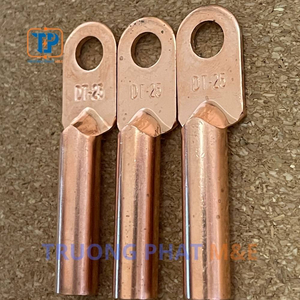
DT-25 Solid Copper Lug
🌟DT-25 Solid Copper Lug ⚡
✅ Why choose us?
- 📦 Genuine imported products – Guaranteed high quality.
- 📝 Complete documentation: Transparent CO, CQ, and VAT invoices.
- 📦 Large stock availability: Always ready to meet your needs.
📞 Contact us now:
📌 Sales 1: 0983.607.668
📌 Sales 2: 0964.602.568
📌 Emergency: 0869.685.636
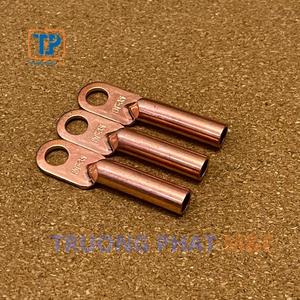
DT-35 Solid Copper Lug
🌟DT-35 Solid Copper Lug⚡
✅ Why choose us?
- 📦 Genuine imported products – Guaranteed high quality.
- 📝 Complete documentation: Transparent CO, CQ, and VAT invoices.
- 📦 Large stock availability: Always ready to meet your needs.
📞 Contact us now:
📌 Sales 1: 0983.607.668
📌 Sales 2: 0964.602.568
📌 Emergency: 0869.685.636
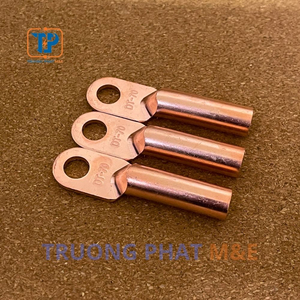
DT-50 Solid Copper Lug
🌟DT-50 Solid Copper Lug⚡
✅ Why choose us?
- 📦 Genuine imported products – Guaranteed high quality.
- 📝 Complete documentation: Transparent CO, CQ, and VAT invoices.
- 📦 Large stock availability: Always ready to meet your needs.
📞 Contact us now:
📌 Sales 1: 0983.607.668
📌 Sales 2: 0964.602.568
📌 Emergency: 0869.685.636
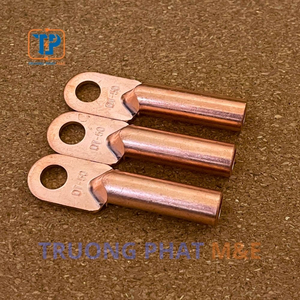
DT-70 Solid Copper Lug
🌟 DT-70 Solid Copper Lug⚡
✅ Why choose us?
- 📦 Genuine imported products – Guaranteed high quality.
- 📝 Complete documentation: Transparent CO, CQ, and VAT invoices.
- 📦 Large stock availability: Always ready to meet your needs.
📞 Contact us now:
📌 Sales 1: 0983.607.668
📌 Sales 2: 0964.602.568
📌 Emergency: 0869.685.636
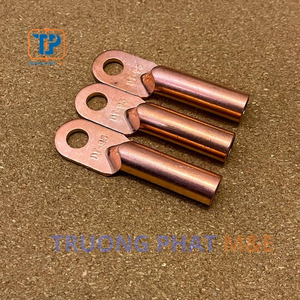
DT-95 Solid Copper Lug
🌟DT-95 Solid Copper Lug⚡
✅ Why choose us?
- 📦 Genuine imported products – Guaranteed high quality.
- 📝 Complete documentation: Transparent CO, CQ, and VAT invoices.
- 📦 Large stock availability: Always ready to meet your needs.
📞 Contact us now:
📌 Sales 1: 0983.607.668
📌 Sales 2: 0964.602.568
📌 Emergency: 0869.685.636
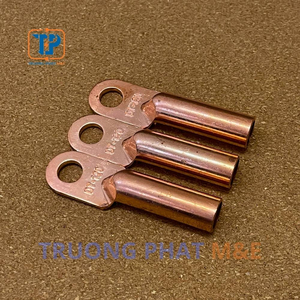
DT-120 Solid Copper Lug
🌟DT-120 Solid Copper Lug⚡
✅ Why choose us?
- 📦 Genuine imported products – Guaranteed high quality.
- 📝 Complete documentation: Transparent CO, CQ, and VAT invoices.
- 📦 Large stock availability: Always ready to meet your needs.
📞 Contact us now:
📌 Sales 1: 0983.607.668
📌 Sales 2: 0964.602.568
📌 Emergency: 0869.685.636
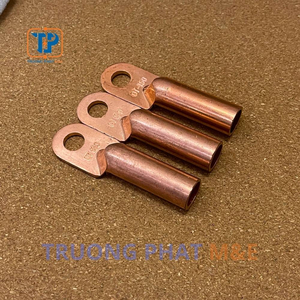
DT-150 Solid Copper Lug
🌟DT-150 Solid Copper Lug⚡
✅ Why choose us?
- 📦 Genuine imported products – Guaranteed high quality.
- 📝 Complete documentation: Transparent CO, CQ, and VAT invoices.
- 📦 Large stock availability: Always ready to meet your needs.
📞 Contact us now:
📌 Sales 1: 0983.607.668
📌 Sales 2: 0964.602.568
📌 Emergency: 0869.685.636
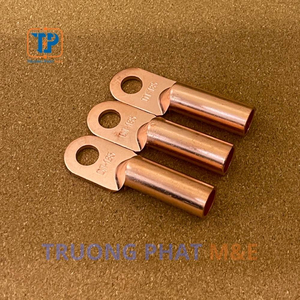
DT-185 Solid Copper Lug
🌟DT-185 Solid Copper Lug⚡
✅ Why choose us?
- 📦 Genuine imported products – Guaranteed high quality.
- 📝 Complete documentation: Transparent CO, CQ, and VAT invoices.
- 📦 Large stock availability: Always ready to meet your needs.
📞 Contact us now:
📌 Sales 1: 0983.607.668
📌 Sales 2: 0964.602.568
📌 Emergency: 0869.685.636
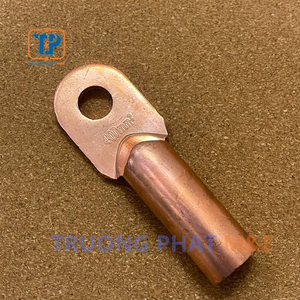
DT-400 Solid Copper Lug
🌟DT-400 Solid Copper Lug⚡
✅ Why choose us?
- 📦 Genuine imported products – Guaranteed high quality.
- 📝 Complete documentation: Transparent CO, CQ, and VAT invoices.
- 📦 Large stock availability: Always ready to meet your needs.
📞 Contact us now:
📌 Sales 1: 0983.607.668
📌 Sales 2: 0964.602.568
📌 Emergency: 0869.685.636
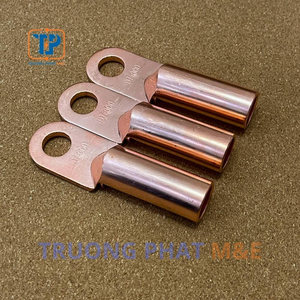
DT-300 Solid Copper Lug
🌟DT-300 Solid Copper Lug⚡
✅ Why choose us?
- 📦 Genuine imported products – Guaranteed high quality.
- 📝 Complete documentation: Transparent CO, CQ, and VAT invoices.
- 📦 Large stock availability: Always ready to meet your needs.
📞 Contact us now:
📌 Sales 1: 0983.607.668
📌 Sales 2: 0964.602.568
📌 Emergency: 0869.685.636
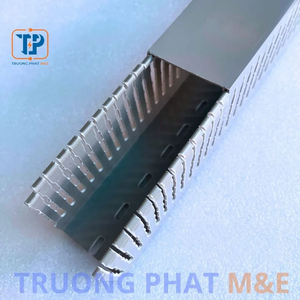
PXC 100×100 Grey Cable Duct
PXC 100×100 Grey Cable Duct
-
100x100mm size, suitable for electrical panels with a high cable density
-
✅ Slotted design helps route and branch cables neatly and efficiently
-
✅ Grey color creates a clean, professional look inside industrial panels
-
✅ Ideal for main panels, MCC panels, PLC cabinets, and control panels
-
✅ Supports faster installation, easier inspection, and more organized wiring
👉 Contact us now for quick support in choosing the right wiring duct for your panel size and actual cable layout.
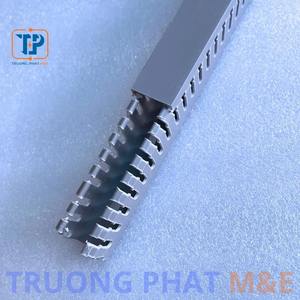
PXC 25×25 Grey Cable Duct
PXC 25×25 Grey Cable Duct
+ Genuine import with full CO, CQ, VAT invoice
+ Always have large inventory.
+ Support projects and agents
📞 Contact us now:
📌 Sales 1: 0983.607.668
📌 Sales 2: 0964.602.568
📌 Emergency: 0869.685.636
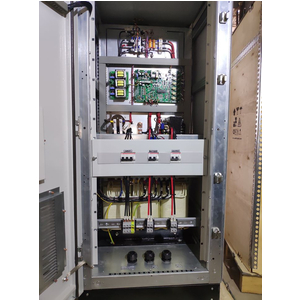
Battery charger/DC Voltage 110VDC/70A
Mr Kiên - 097 481 5509 ( ZALO) Tủ sạc ắc quy 110VDC/70A ( 110VDC/70A ) + Nhập khẩu chính hãng đầy đủ CO,CQ, Hóa đơn VAT + Luôn tồn kho số lượng lớn. + Hổ trợ dự án và đại lý Nhà sản xuất : Edit
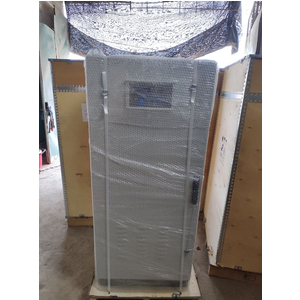
Battery charger/DC Voltage 220VDC/30A
Mr Kiên - 097 481 5509 ( ZALO) Tủ sạc ắc quy 220VDC/30A ( 220VDC/30A ) + Nhập khẩu chính hãng đầy đủ CO,CQ, Hóa đơn VAT + Luôn tồn kho số lượng lớn. + Hổ trợ dự án và đại lý Nhà sản xuất : Edit
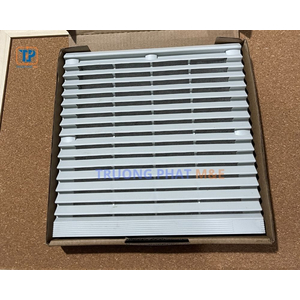
Electrical Cabinet Dust Filter ZL 803
📞 Contact us for quick support:
- Sales Department 1 (KD1): 0869.685.636
- Sales Department 2 (KD2): 0964.602.568
- Emergency Contact: 0974.815.509
✅ Why choose us?
- 📦 Genuine imported products – Guaranteed high quality.
- 📝 Complete documentation: Transparent CO, CQ, and VAT invoices.
- 📦 Large stock availability: Always ready to meet your needs.
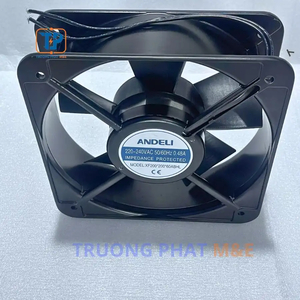
Fan 200x200x60mm
Electrical Cabinet Cooling Fan 200x200x60mm – Efficient Cooling Solution ⚡💨
🔹 Genuine import, complete with CO, CQ, and VAT invoice.
🔹 Stable performance, excellent heat dissipation, prevents overheating.
🔹 Durable & quiet, sturdy design for long-term use.
🔹 Large stock available, fast delivery for projects and distributors.
📞 Contact us now:
📌 Sales 1: 0869.685.636
📌 Sales 2: 0964.602.568
📌 Emergency: 0974.815.509
👉 Optimize your electrical system cooling today! 🚀
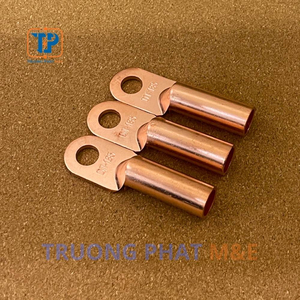
Red Copper Cast Cable Lug DT
Red Copper Cast Cable Lug Genuine | Reliable Cable Connection
🔋 Red copper cast cable lug DT series for cables from 16–300mm².
⚡ Designed for connecting electrical cables to busbars, terminal blocks and MCCBs.
🏭 Suitable for practical applications in medium-voltage and low-voltage electrical systems.
🛡️ Made from red copper using a cast-mold manufacturing process.
🔧 Available in DT-16 to DT-300 for different cable cross-sections.
📦 Truong Phat supports technical consultation and quotation according to your requirements.
👉 Contact us now for technical advice and the appropriate cable lug model.

Đầu cốt đồng ép 2 lỗ (300mm2)
Mr Kiên - 097 481 5509 ( ZALO) Đầu cốt đồng ép 2 lỗ (300mm2) ( Đầu cốt đồng ép 2 lỗ (300mm2)) + Nhập khẩu chính hãng đầy đủ CO,CQ, Hóa đơn VAT + Luôn tồn kho số lượng lớn. + Hổ trợ dự án và đại lý Nhà sản xuất : Vator/china

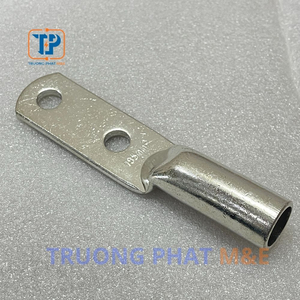
2-Hole Copper Lug (185mm²)
| Attribute | Specification |
|---|---|
| Compatible cable size | 185 mm² |
| Material | Tin-plated copper |
| Number of bolt holes | 2 |
| Hole diameter | Ø12mm |
| Hole center distance | 45mm |
| Connection method | Hydraulic crimping |
| Lug style | Long body – 2-bolt mounting |
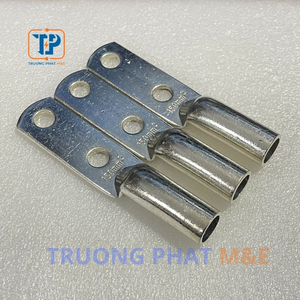
2-Hole Copper Lug (150mm²)
| Attribute | Details |
|---|---|
| Compatible wire size | 150 mm² |
| Material | Tin-plated copper |
| Number of bolt holes | 2 |
| Hole diameter | Ø12mm |
| Hole center spacing | 45mm |
| Connection method | Hydraulic crimping |
| Lug style | Long body – 2-bolt lug |
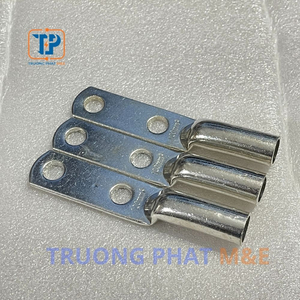
2-Hole Copper Compression Lug (120mm²)
| Attribute | Details |
|---|---|
| Compatible wire size | 120 mm² |
| Material | Tin-plated copper |
| Number of bolt holes | 2 |
| Hole diameter | Ø12mm (customizable on request) |
| Hole center distance | 45mm |
| Connection method | Hydraulic compression |
| Lug style | Long body – dual bolt |
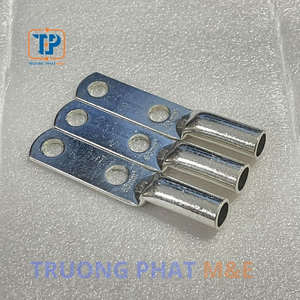
Đầu cốt đồng ép 2 lỗ (95mm2)
| Attribute | Details |
|---|---|
| Product Name | 2-Hole Copper Compression Lug (95mm²) |
| Compatible Cable Size | 95 mm² |
| Number of Bolt Holes | 2 holes |
| Hole Diameter | Ø12mm (customizable on request) |
| Hole Spacing | 45mm |
| Material | Tin-plated copper |
| Lug Type | Long neck – dual screw terminal |
| Connection Method | Hydraulic crimping |
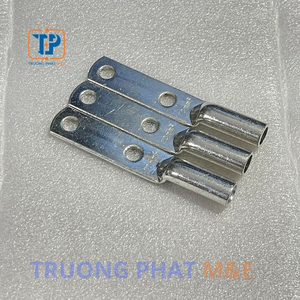
Long Copper Lug 70mm² with 2 Holes
| Attribute | Details |
|---|---|
| Product Name | Long Copper Lug 70mm² with 2 Holes |
| Suitable Cable Size | 70 mm² |
| Number of Bolt Holes | 2 holes |
| Hole Diameter | Ø10mm (customizable upon request) |
| Hole Spacing | 45mm |
| Material | Tin-plated copper |
| Lug Type | Long neck – dual screw type |
| Connection Method | Hydraulic crimping |
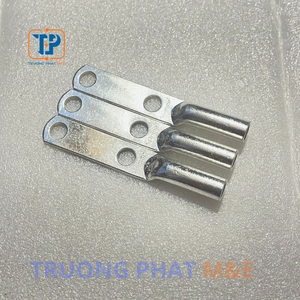
Đầu cốt đồng ép 2 lỗ (50mm2)
2-Hole Copper Compression Lug (50mm²)
| Attribute | Details |
|---|---|
| Product Name | 2-Hole Copper Compression Lug (50mm²) |
| Cable Cross Section | 50 mm² |
| Number of Bolt Holes | 2 holes |
| Hole Diameter | Ø10mm (customizable on request) |
| Hole Spacing | 45mm |
| Material | Tin-plated copper |
| Lug Type | Long neck – dual screw type |
| Connection Method | Hydraulic crimping |
📞 Hotline tư vấn:
-
0983.607.668
-
0964.602.568
-
0869.685.636
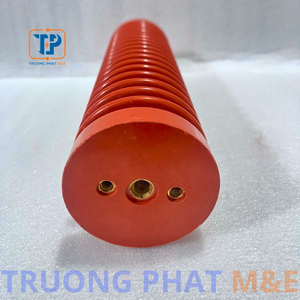
35kV MEDIUM VOLTAGE INSULATOR (J06-170)
35kV MEDIUM VOLTAGE INSULATOR (J06-170)
+ Genuine import with full CO, CQ, VAT invoice
+ Always have large inventory.
+ Support projects and agents
📞 Contact us now:
📌 Sales 1: 0983.607.668
📌 Sales 2: 0964.602.568
📌 Emergency: 0869.685.636
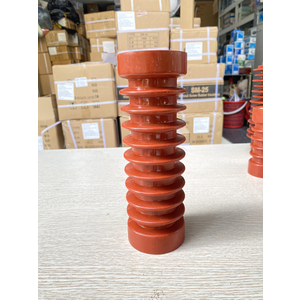
Medium Voltage Busbar Support Insulator EL-24
Medium Voltage Busbar Support Insulator EL-24
+ Genuine import with full CO, CQ, VAT invoice
+ Always have large inventory.
+ Support projects and agents
📞 Contact us now:
📌 Sales 1: 0983.607.668
📌 Sales 2: 0964.602.568
📌 Emergency: 0869.685.636
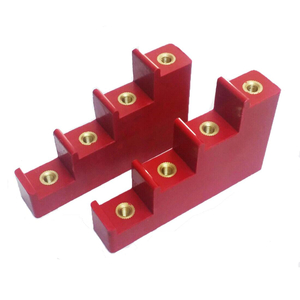
CT4-20 Ceramic Support Insulator
CT4-20 Ceramic Support Insulator
| Specification | Details |
|---|---|
| Product Name | CT4-20 Ceramic Support Insulator |
| Material | High-strength ceramic |
| Application | Clamping & supporting copper busbars |
| Compatible With | Small copper busbars (single-phase) |
| Dimensions | CT4-20 (Also available: CT4-30, CT4-50) |
| Temperature Resistance | Up to 500°C |
| Color | White ceramic |
📞 Contact us now:
📌 Emergency: 0869.685.636
Fanpage Facebook
Statistical
- Đang online 0
- Hôm nay 0
- Hôm qua 0
- Trong tuần 0
- Trong tháng 0
- Tổng cộng 0
Voltage and Ammeter Selector Switches in Electrical Panels
⚙️ Voltage and Ammeter Selector Switches in Electrical Panels: Structure, Functions, and Practical Applications
🔎 What are voltage and ammeter selector switches?
In industrial electrical panels, voltage and ammeter selector switches are devices used to select measurement signals or change operating modes according to system design requirements. These components play an important role in helping operators monitor voltage, current, and operating status in a visual, safe, and accurate way.
Depending on the application, selector switches can be used to:
-
select voltage phases on a voltmeter,
-
select current phases on an ammeter,
-
switch between Auto / Off / Manual modes,
-
select power sources or operating states in ATS panels, generator panels, and control panels.
In practical panel building, these devices help optimize the number of measuring instruments, improve panel appearance, and make operation more convenient. ⚡
🛠️ The role of voltage and ammeter selector switches in electrical panels
Voltage and ammeter selector switches are not only signal-selection devices, but also key components that improve monitoring and control efficiency in electrical systems.
Main functions include:
1. Supporting voltage and current measurement
These switches allow operators to select each phase or measurement signal and display it on a meter, reducing the need for multiple separate instruments.
2. Improving operational visibility
The switch positions are clearly marked on the panel door, making it easier for operators to identify the current operating mode.
3. Assisting inspection and maintenance
During testing, troubleshooting, or maintenance, selector switches enable faster and more accurate manual operation and measurement checks.
4. Flexible use in many types of panels
These devices are widely used in distribution panels, motor control panels, pump control panels, ATS panels, generator panels, and other industrial electrical systems. 🔌
⚡ Common types of voltage and ammeter selector switches
1. 🔋 Voltage Selector Switch
A voltage selector switch is used to select voltage measurement points on a voltmeter. In three-phase electrical systems, it is typically used to select individual phases or phase-to-phase measurements.
Applications:
-
power distribution panels,
-
motor control panels,
-
systems requiring input or output voltage monitoring.
Benefits:
-
reduces the number of meters required,
-
saves space on the panel surface,
-
allows more flexible voltage monitoring.
2. 🔌 Ammeter Selector Switch
An ammeter selector switch is used to select the current signal of each phase for display on an ammeter. This device is commonly used together with current transformers in current measurement circuits.
Applications:
-
phase load monitoring,
-
motor operating current measurement,
-
load condition monitoring in industrial electrical panels.
Benefits:
-
convenient current monitoring,
-
optimized panel design,
-
supports detection of phase imbalance or overload conditions.
3. ⚙️ Auto - Off - Manual Selector Switch
This is one of the most common selector switches in control circuits. It allows users to choose among three operating modes:
-
Auto: automatic operation,
-
Off: stop or disable control,
-
Manual: manual operation.
Applications:
-
pump control panels,
-
industrial fan control panels,
-
motor control systems,
-
systems that require both automatic operation and manual testing.
Technical significance:
This switch provides flexibility for operators during normal operation, commissioning, maintenance, and fault handling. 🛠️
4. 🔄 4-Position Selector Switch
A 4-position selector switch is designed with four independent selection points, making it suitable for systems that require more operating states than a standard 2-position or 3-position switch.
Applications:
-
mode selection circuits,
-
signal selection circuits,
-
systems requiring multiple clearly defined operating states.
Advantages:
-
clear and easy operation,
-
suitable for panels with more detailed control logic,
-
reduces the risk of operator error.
5. ⚡ ATS Auto - Off - Main - Gen Selector Switch
This type of selector switch is specially designed for systems involving main power and backup power, especially in ATS panels or generator control panels.
Typical positions include:
-
Auto: automatic source transfer,
-
Off: control disabled,
-
Main: select utility/main power source,
-
Gen: select generator power source.
Applications:
-
ATS panels,
-
power transfer panels,
-
generator control panels,
-
systems requiring flexible source selection.
Value in practice:
This switch makes source selection clearer, safer, and more convenient in real operating conditions. 🔋
🧩 Practical applications of voltage and ammeter selector switches
Today, voltage and ammeter selector switches are widely used in systems such as:
-
power distribution panels,
-
motor control centers,
-
pump control panels,
-
ATS panels,
-
generator panels,
-
automatic control systems in factories and industrial projects.
In these applications, the devices improve electrical parameter monitoring while also enhancing the stability and professionalism of system operation. ✅
📌 Criteria for selecting the right selector switch
When choosing voltage and ammeter selector switches for an electrical panel, the following technical factors should be considered:
1. Number of switch positions
Determine whether the system requires 2-position, 3-position, 4-position, or more switching states.
2. Intended function
Choose the correct switch type based on the application:
-
voltage measurement,
-
current measurement,
-
operating mode selection,
-
source transfer.
3. Mechanical durability and contact reliability
These are important factors to ensure stable performance in industrial environments.
4. Panel mounting compatibility
The device should match the panel door design, allow easy wiring, and support maintenance access.
5. Origin, certification, and supply capability
For industrial projects, products with CO, CQ, and VAT invoice support and stable stock availability help simplify procurement, approval, and replacement processes. 📄
🌟 Advantages of voltage and ammeter selector switch products
For panel builders, contractors, distributors, and factories, this product group offers several practical benefits:
-
makes electrical panel layouts more compact,
-
improves monitoring convenience,
-
increases operational visibility,
-
reduces costs compared to installing multiple separate measuring devices,
-
suitable for many industrial control and measurement applications.
Although these are relatively small components, they have a significant impact on operation, maintenance, and overall electrical system management. 🚀
🎯 Conclusion
Voltage and ammeter selector switches are essential components in modern electrical panel design. By enabling signal selection for measurement and operating mode control, these devices improve safety, visibility, and system efficiency.
From voltage selector switches and ammeter selector switches to Auto-Off-Manual, 4-position selector switches, and ATS Auto-Off-Main-Gen selector switches, each product type serves a specific technical purpose and supports a wide range of industrial and commercial panel applications.
Choosing the right selector switch for the system helps optimize monitoring performance, control flexibility, and the professional quality of the electrical panel. 🔧
Tin tức liên quan
Vision Battery – A Reliable Backup Power Solution
Comparison of Neutral – Ground Terminal Blocks 7P, 10P, 12P, 16P
Industrial electrical cabinet
🕰 Time flies in the blink of an eye, another year has come to an end with so many memories and impressions! Let's look back on our journey in 2024 an
Nguồn một chiều 5v 12v
Thanh ray nhôm lắp tủ điện
Nguồn một chiều 24v 48v
Biến áp điều khiển
Nguồn 12v 24v 48v