
Product Categories
Product Search
Online Support

Mr Tài - 0869685636

Ms Hồng - 0964602568

Ms Yến: 0984345846
Ms Quỳnh: 0983607668
Selling Products
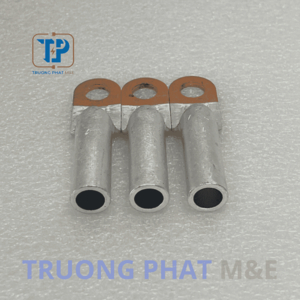
Copper-Aluminum Terminal Lug 70mm2
🌟Copper-Aluminum Terminal Lug 70mm2 ⚡
✅ Why choose us?
- 📦 Genuine imported products – Guaranteed high quality.
- 📝 Complete documentation: Transparent CO, CQ, and VAT invoices.
- 📦 Large stock availability: Always ready to meet your needs.
📞 Contact us now:
📌 Sales 1: 0983.607.668
📌 Sales 2: 0964.602.568
📌 Emergency: 0869.685.636
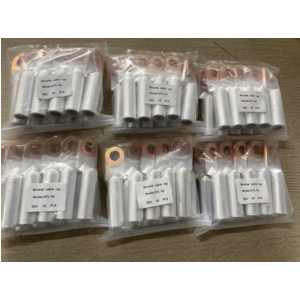
DTL-95 copper-aluminum
DTL-95 copper-aluminum (bimetal) cable lug is a high-quality, die-cast lug used to terminate 95mm² aluminum conductors to busbars, terminals, and MCCBs in power distribution systems.
-
Strong crimp grip and stable electrical contact
-
Helps reduce cracking during crimping (with correct die & method)
-
Durable structure, lower oxidation risk at the joint
👉 Send your bolt size (M…) + quantity for a fast quotation.
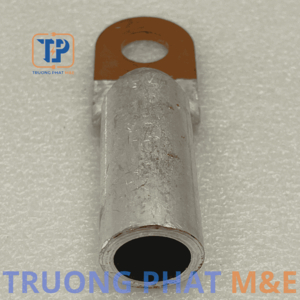
DTL-300 Bimetallic Cable Lug
🌟DTL-300 Bimetallic Cable Lug⚡
✅ Why choose us?
- 📦 Genuine imported products – Guaranteed high quality.
- 📝 Complete documentation: Transparent CO, CQ, and VAT invoices.
- 📦 Large stock availability: Always ready to meet your needs.
📞 Contact us now:
📌 Sales 1: 0983.607.668
📌 Sales 2: 0964.602.568
📌 Emergency: 0869.685.636
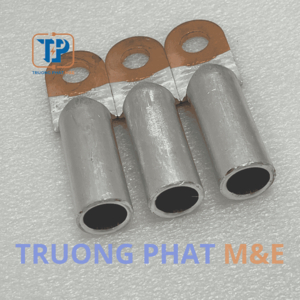
DTL-240 Bimetallic Cable Lug
🌟DTL-240 Bimetallic Cable Lug⚡
✅ Why choose us?
- 📦 Genuine imported products – Guaranteed high quality.
- 📝 Complete documentation: Transparent CO, CQ, and VAT invoices.
- 📦 Large stock availability: Always ready to meet your needs.
📞 Contact us now:
📌 Sales 1: 0983.607.668
📌 Sales 2: 0964.602.568
📌 Emergency: 0869.685.636
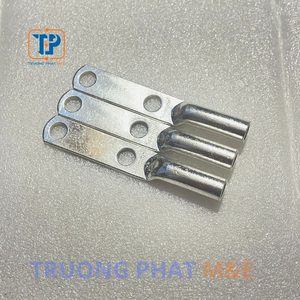
SC 50 2-Hole Copper Lug
SC 50 2-Hole Copper Lug
✅ Why choose us?
- 📦 Genuine imported products – Guaranteed high quality.
- 📝 Complete documentation: Transparent CO, CQ, and VAT invoices.
- 📦 Large stock availability: Always ready to meet your needs.
📞 Contact us now:
📌 Sales 1: 0983.607.668
📌 Sales 2: 0964.602.568
📌 Emergency: 0869.685.636
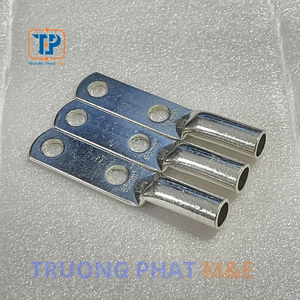
Đầu cos đồng SC 70 hai lỗ
🌟Duckbill Terminal Lug for 50mm² Wire ⚡
✅ Why choose us?
- 📦 Genuine imported products – Guaranteed high quality.
- 📝 Complete documentation: Transparent CO, CQ, and VAT invoices.
- 📦 Large stock availability: Always ready to meet your needs.
📞 Contact us now:
📌 Sales 1: 0983.607.668
📌 Sales 2: 0964.602.568
📌 Emergency: 0869.685.636
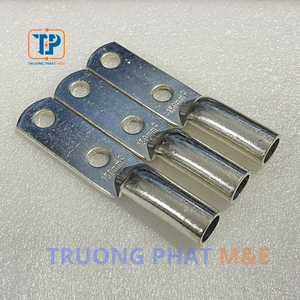
SC 95 2-Hole Copper Cable Lug
SC 95 2-Hole Copper Cable Lug
✅ Why choose us?
- 📦 Genuine imported products – Guaranteed high quality.
- 📝 Complete documentation: Transparent CO, CQ, and VAT invoices.
- 📦 Large stock availability: Always ready to meet your needs.
📞 Contact us now:
📌 Sales 1: 0983.607.668
📌 Sales 2: 0964.602.568
📌 Emergency: 0869.685.636
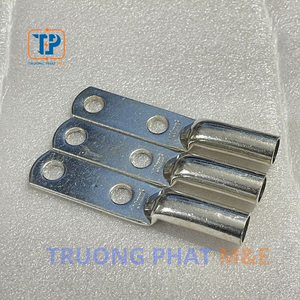
SC 120 two-hole copper lug
SC 120 two-hole copper lug is used to connect 120mm² power cable to busbar, terminal block, MCCB in LV/MV panels (as required by design). Two-hole palm helps prevent rotation, keeps contact stable, and improves mechanical holding during installation/maintenance.
-
In-stock, ready to ship
-
Support selecting correct bolt size & hole spacing
-
VAT invoice available (upon request)
-
Suitable for projects & large-quantity orders
👉 Contact us for a quick quote and the correct spec.
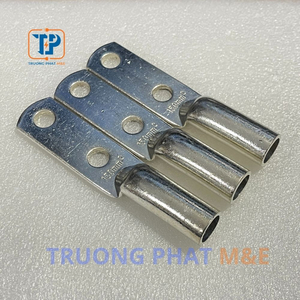
C 150 two-hole copper lug
SC 150 two-hole copper lug is used to connect 150mm² power cable to busbars, terminal blocks, and MCCB/ACB points in LV/MV panels. The 2-hole palm reduces lug rotation during tightening and improves contact stability at high-load connections. Suitable for project/panel shops needing consistent workmanship and easy torque re-checks.
-
Fits 150mm² cable
-
Two-bolt fixing prevents rotation
-
For busbar/terminal/MCCB connections
-
CO/CQ & VAT support (by batch)
👉 Contact us for correct bolt-hole size & pitch.
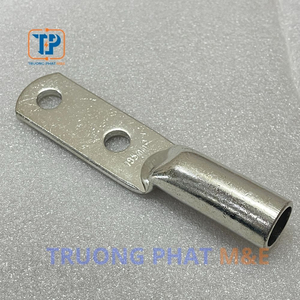
SC 150 two-hole copper lug
SC 150 two-hole copper lug is used to connect 150mm² power cable to busbars, terminal blocks, and MCCB/ACB points in LV/MV panels. The 2-hole palm reduces lug rotation during tightening and improves contact stability at high-load connections. Suitable for project/panel shops needing consistent workmanship and easy torque re-checks.
-
Fits 150mm² cable
-
Two-bolt fixing prevents rotation
-
For busbar/terminal/MCCB connections
-
CO/CQ & VAT support (by batch)
👉 Contact us for correct bolt-hole size & pitch.
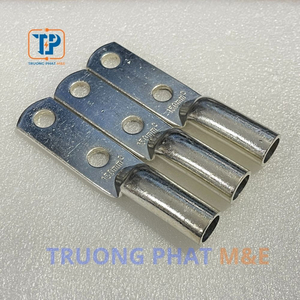
SC 240 two-hole copper lug
SC 240 two-hole copper lug (DTG2-240) is used to crimp 240mm² copper cable and bolt it to busbars, terminals, or MCCBs. The 2-hole design improves mechanical stability, helps prevent twisting, and supports a more secure connection in switchboards and power distribution projects. Dimensions are provided per the technical drawing for easy site verification (hole spacing, hole diameter, overall length).
-
Benefits:
-
2-hole fixing reduces rotation
-
Drawing-based dimensions for quick checking
-
Suitable for busbar/terminal/MCCB connections
Contact us for a fast quotation and correct bolt-hole matching.
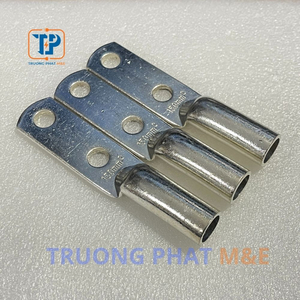
SC 300 two-hole copper lug
SC 300 two-hole copper lug (DTG2-300) is used to crimp 300mm² cable and bolt it to busbars, terminals, or MCCBs. The 2-hole design improves mechanical stability and helps prevent twisting, especially with heavy cables. Suitable for medium-voltage and low-voltage switchboards, construction works, and projects requiring a firm mechanical joint. Includes a drawing-based dimension table for quick checking before punching/drilling busbar holes.
-
2-hole fixing reduces rotation
-
Drawing-based dimensions for quick verification
-
Suitable for busbar/terminal/MCCB connections
-
Project quantities supported (large stock)
Contact us for a fast quotation & correct hole/bolt matching.
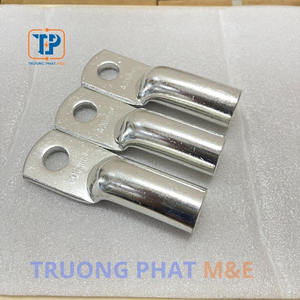
SC 400-20 Long Copper Cable Lug
SC 400-20 Long Copper Cable Lug
| Attribute | Details |
|---|---|
| Product Name | SC 400-20 Long Copper Cable Lug |
| Material | Tin-plated pure copper |
| Cable Size | 400mm² |
| Bolt Hole Diameter | Ø20mm |
| Type | Long barrel – hydraulic crimp type |
| Application | Medium and low voltage systems |
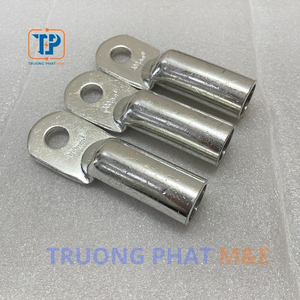
300-16 Long Copper Cable Lug
SC 300-16 Long Copper Cable Lug
| Specification | Details |
|---|---|
| Product Name | 300-16 Long Copper Cable Lug |
| Material | Pure copper with tin plating |
| Cable Size | 300mm² |
| Bolt Hole Diameter | Ø16mm |
| Type | Long barrel – hydraulic crimp type |
| Application | Medium/Low voltage power systems |
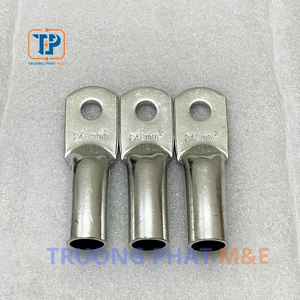
SC 240-14 Long Copper Cable Lug
SC 240-14 Long Copper Cable Lug
| Specification | Details |
|---|---|
| Product Name | SC 240-14 Long Copper Cable Lug |
| Material | Pure copper with tin plating |
| Cable Size | 240mm² |
| Bolt Hole Diameter | Ø14mm |
| Type | Long barrel – hydraulic crimp type |
| Application | Medium/low-voltage power systems |
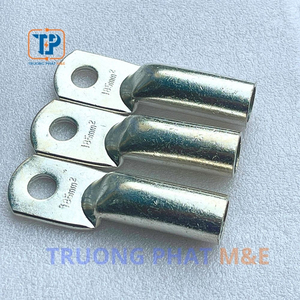
185-14 Long Copper Cable Lug
SC 185-14 Long Copper Cable Lug
| Specification | Details |
|---|---|
| Product Name | 185-14 Long Copper Cable Lug |
| Material | Pure copper with tin plating |
| Cable Size | 185mm² |
| Bolt Hole Diameter | Ø14mm |
| Type | Long barrel – hydraulic crimp type |
| Standard Use | Medium and low-voltage systems |
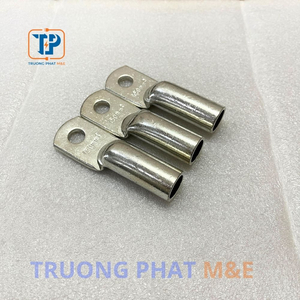
150-12 Long Copper Cable Lug
150-12 Long Copper Cable Lug
| Specification | Details |
|---|---|
| Product Name | 150-12 Long Copper Cable Lug |
| Material | Pure copper with tin plating |
| Cable Size | 150mm² |
| Bolt Hole Diameter | Ø12mm |
| Type | Long barrel – hydraulic crimp type |
| Application | Suitable for medium/low-voltage |
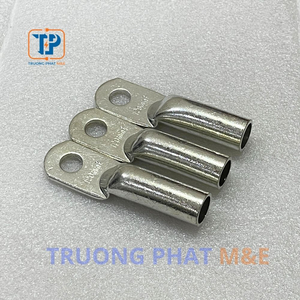
SC 120-12 Long Copper Cable Lug
SC 120-12 Long Copper Cable Lug
| Specification | Details |
|---|---|
| Product Name | SC 120-12 Long Copper Cable Lug |
| Material | Pure copper with tin plating |
| Cable Size | 120mm² |
| Bolt Hole Diameter | Ø12mm |
| Type | Long barrel – hydraulic crimp type |
| Standard Use | Medium to low-voltage installations |
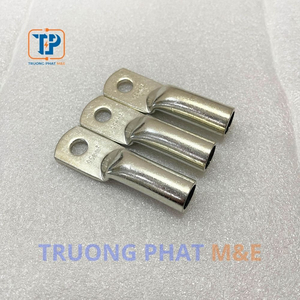
Long barrel copper cable lug 95mm²
Long barrel copper cable lug 95mm² for secure connection of 95mm² copper cables to MCCB, busbar and terminal blocks in electrical panels.
-
Extended barrel design for stronger crimping area
-
Reliable current transmission in medium & low voltage systems
-
Suitable for hydraulic crimping tools (95mm² die)
-
Ideal for industrial panels, ATS, solar systems
Contact us today for quotation and technical consultation.
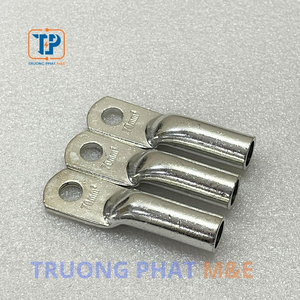
SC 70 LONG COPPER CABLE LUG
| Specification | Technical Value |
|---|---|
| 🔹 Model | SC-70 Long |
| 🔹 Cable cross-section | 70mm² |
| 🔹 Overall length (L) | 80mm |
| 🔹 Crimping barrel length (L1) | 41mm |
| 🔹 Bolt hole diameter (Ø) | 8.5mm |
| 🔹 Outer diameter (D) | 14mm |
| 🔹 Inner diameter (d) | 12mm |
| 🔹 Thickness (S) | 3.5mm |
| 🔹 Palm width (W) | 18.5mm |
| 🔹 Transition angle | 45° |
| 🔹 Material | Pure red copper |
| 🔹 Crimping method | Hydraulic crimping |
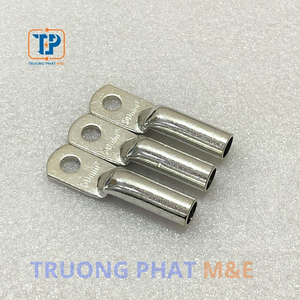
LONG CABLE LUG 50MM²
LONG CABLE LUG 50MM²
✅ Why choose us?
- 📦 Genuine imported products – Guaranteed high quality.
- 📝 Complete documentation: Transparent CO, CQ, and VAT invoices.
- 📦 Large stock availability: Always ready to meet your needs.
📞 Contact us now:
📌 Sales 1: 0983.607.668
📌 Sales 2: 0964.602.568
📌 Emergency: 0869.685.636
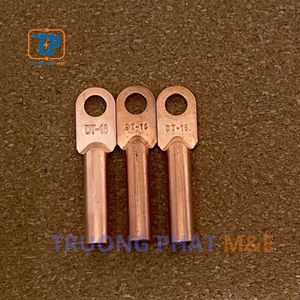
DT-16 Solid Copper Lug
🌟DT-16 Solid Copper Lug⚡
✅ Why choose us?
- 📦 Genuine imported products – Guaranteed high quality.
- 📝 Complete documentation: Transparent CO, CQ, and VAT invoices.
- 📦 Large stock availability: Always ready to meet your needs.
📞 Contact us now:
📌 Sales 1: 0983.607.668
📌 Sales 2: 0964.602.568
📌 Emergency: 0869.685.636
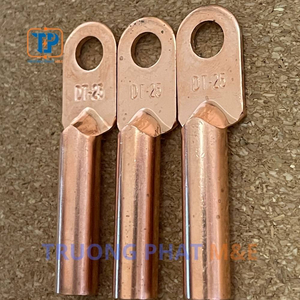
DT-25 Solid Copper Lug
🌟DT-25 Solid Copper Lug ⚡
✅ Why choose us?
- 📦 Genuine imported products – Guaranteed high quality.
- 📝 Complete documentation: Transparent CO, CQ, and VAT invoices.
- 📦 Large stock availability: Always ready to meet your needs.
📞 Contact us now:
📌 Sales 1: 0983.607.668
📌 Sales 2: 0964.602.568
📌 Emergency: 0869.685.636
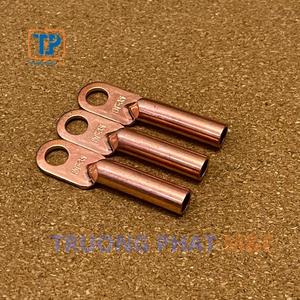
DT-35 Solid Copper Lug
🌟DT-35 Solid Copper Lug⚡
✅ Why choose us?
- 📦 Genuine imported products – Guaranteed high quality.
- 📝 Complete documentation: Transparent CO, CQ, and VAT invoices.
- 📦 Large stock availability: Always ready to meet your needs.
📞 Contact us now:
📌 Sales 1: 0983.607.668
📌 Sales 2: 0964.602.568
📌 Emergency: 0869.685.636
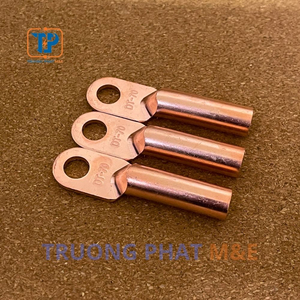
DT-50 Solid Copper Lug
🌟DT-50 Solid Copper Lug⚡
✅ Why choose us?
- 📦 Genuine imported products – Guaranteed high quality.
- 📝 Complete documentation: Transparent CO, CQ, and VAT invoices.
- 📦 Large stock availability: Always ready to meet your needs.
📞 Contact us now:
📌 Sales 1: 0983.607.668
📌 Sales 2: 0964.602.568
📌 Emergency: 0869.685.636
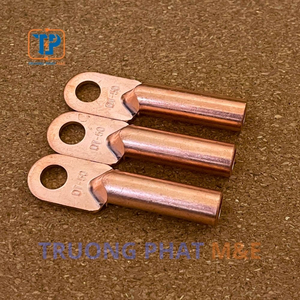
DT-70 Solid Copper Lug
🌟 DT-70 Solid Copper Lug⚡
✅ Why choose us?
- 📦 Genuine imported products – Guaranteed high quality.
- 📝 Complete documentation: Transparent CO, CQ, and VAT invoices.
- 📦 Large stock availability: Always ready to meet your needs.
📞 Contact us now:
📌 Sales 1: 0983.607.668
📌 Sales 2: 0964.602.568
📌 Emergency: 0869.685.636
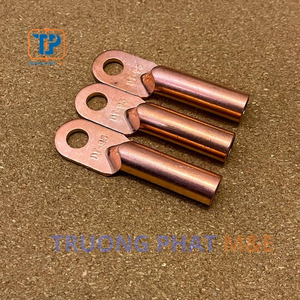
DT-95 Solid Copper Lug
🌟DT-95 Solid Copper Lug⚡
✅ Why choose us?
- 📦 Genuine imported products – Guaranteed high quality.
- 📝 Complete documentation: Transparent CO, CQ, and VAT invoices.
- 📦 Large stock availability: Always ready to meet your needs.
📞 Contact us now:
📌 Sales 1: 0983.607.668
📌 Sales 2: 0964.602.568
📌 Emergency: 0869.685.636
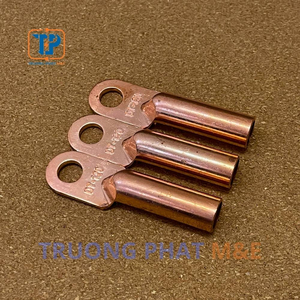
DT-120 Solid Copper Lug
🌟DT-120 Solid Copper Lug⚡
✅ Why choose us?
- 📦 Genuine imported products – Guaranteed high quality.
- 📝 Complete documentation: Transparent CO, CQ, and VAT invoices.
- 📦 Large stock availability: Always ready to meet your needs.
📞 Contact us now:
📌 Sales 1: 0983.607.668
📌 Sales 2: 0964.602.568
📌 Emergency: 0869.685.636
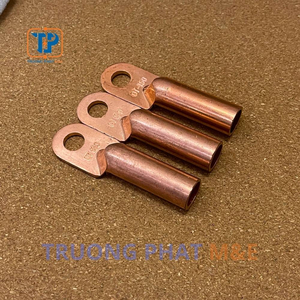
DT-150 Solid Copper Lug
🌟DT-150 Solid Copper Lug⚡
✅ Why choose us?
- 📦 Genuine imported products – Guaranteed high quality.
- 📝 Complete documentation: Transparent CO, CQ, and VAT invoices.
- 📦 Large stock availability: Always ready to meet your needs.
📞 Contact us now:
📌 Sales 1: 0983.607.668
📌 Sales 2: 0964.602.568
📌 Emergency: 0869.685.636
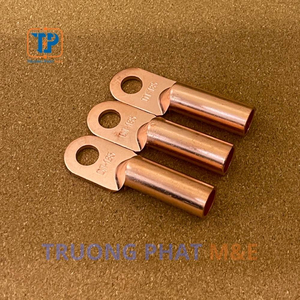
DT-185 Solid Copper Lug
🌟DT-185 Solid Copper Lug⚡
✅ Why choose us?
- 📦 Genuine imported products – Guaranteed high quality.
- 📝 Complete documentation: Transparent CO, CQ, and VAT invoices.
- 📦 Large stock availability: Always ready to meet your needs.
📞 Contact us now:
📌 Sales 1: 0983.607.668
📌 Sales 2: 0964.602.568
📌 Emergency: 0869.685.636
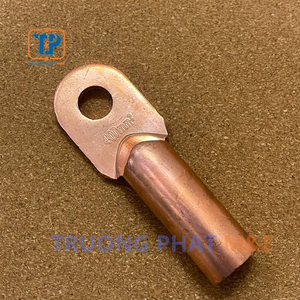
DT-400 Solid Copper Lug
🌟DT-400 Solid Copper Lug⚡
✅ Why choose us?
- 📦 Genuine imported products – Guaranteed high quality.
- 📝 Complete documentation: Transparent CO, CQ, and VAT invoices.
- 📦 Large stock availability: Always ready to meet your needs.
📞 Contact us now:
📌 Sales 1: 0983.607.668
📌 Sales 2: 0964.602.568
📌 Emergency: 0869.685.636
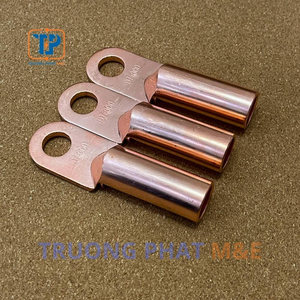
DT-300 Solid Copper Lug
🌟DT-300 Solid Copper Lug⚡
✅ Why choose us?
- 📦 Genuine imported products – Guaranteed high quality.
- 📝 Complete documentation: Transparent CO, CQ, and VAT invoices.
- 📦 Large stock availability: Always ready to meet your needs.
📞 Contact us now:
📌 Sales 1: 0983.607.668
📌 Sales 2: 0964.602.568
📌 Emergency: 0869.685.636
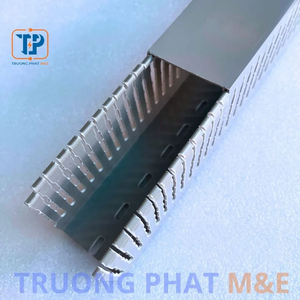
PXC 100×100 Grey Cable Duct
PXC 100×100 Grey Cable Duct
-
100x100mm size, suitable for electrical panels with a high cable density
-
✅ Slotted design helps route and branch cables neatly and efficiently
-
✅ Grey color creates a clean, professional look inside industrial panels
-
✅ Ideal for main panels, MCC panels, PLC cabinets, and control panels
-
✅ Supports faster installation, easier inspection, and more organized wiring
👉 Contact us now for quick support in choosing the right wiring duct for your panel size and actual cable layout.
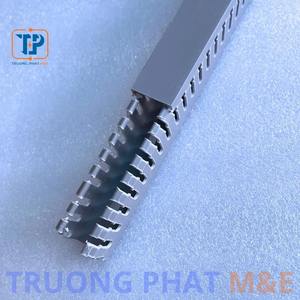
PXC 25×25 Grey Cable Duct
PXC 25×25 Grey Cable Duct
+ Genuine import with full CO, CQ, VAT invoice
+ Always have large inventory.
+ Support projects and agents
📞 Contact us now:
📌 Sales 1: 0983.607.668
📌 Sales 2: 0964.602.568
📌 Emergency: 0869.685.636
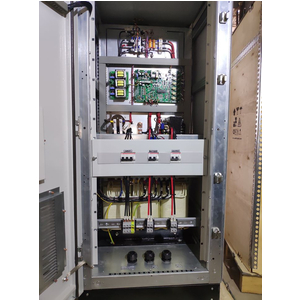
Battery charger/DC Voltage 110VDC/70A
Mr Kiên - 097 481 5509 ( ZALO) Tủ sạc ắc quy 110VDC/70A ( 110VDC/70A ) + Nhập khẩu chính hãng đầy đủ CO,CQ, Hóa đơn VAT + Luôn tồn kho số lượng lớn. + Hổ trợ dự án và đại lý Nhà sản xuất : Edit
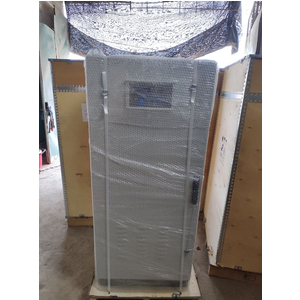
Battery charger/DC Voltage 220VDC/30A
Mr Kiên - 097 481 5509 ( ZALO) Tủ sạc ắc quy 220VDC/30A ( 220VDC/30A ) + Nhập khẩu chính hãng đầy đủ CO,CQ, Hóa đơn VAT + Luôn tồn kho số lượng lớn. + Hổ trợ dự án và đại lý Nhà sản xuất : Edit
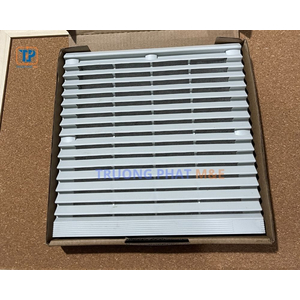
Electrical Cabinet Dust Filter ZL 803
📞 Contact us for quick support:
- Sales Department 1 (KD1): 0869.685.636
- Sales Department 2 (KD2): 0964.602.568
- Emergency Contact: 0974.815.509
✅ Why choose us?
- 📦 Genuine imported products – Guaranteed high quality.
- 📝 Complete documentation: Transparent CO, CQ, and VAT invoices.
- 📦 Large stock availability: Always ready to meet your needs.
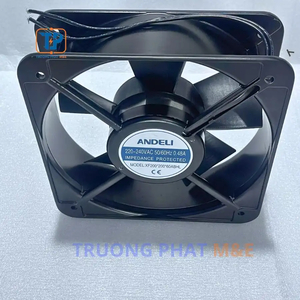
Fan 200x200x60mm
Electrical Cabinet Cooling Fan 200x200x60mm – Efficient Cooling Solution ⚡💨
🔹 Genuine import, complete with CO, CQ, and VAT invoice.
🔹 Stable performance, excellent heat dissipation, prevents overheating.
🔹 Durable & quiet, sturdy design for long-term use.
🔹 Large stock available, fast delivery for projects and distributors.
📞 Contact us now:
📌 Sales 1: 0869.685.636
📌 Sales 2: 0964.602.568
📌 Emergency: 0974.815.509
👉 Optimize your electrical system cooling today! 🚀
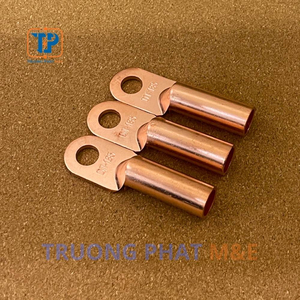
Red Copper Cast Cable Lug DT
Red Copper Cast Cable Lug Genuine | Reliable Cable Connection
🔋 Red copper cast cable lug DT series for cables from 16–300mm².
⚡ Designed for connecting electrical cables to busbars, terminal blocks and MCCBs.
🏭 Suitable for practical applications in medium-voltage and low-voltage electrical systems.
🛡️ Made from red copper using a cast-mold manufacturing process.
🔧 Available in DT-16 to DT-300 for different cable cross-sections.
📦 Truong Phat supports technical consultation and quotation according to your requirements.
👉 Contact us now for technical advice and the appropriate cable lug model.

Đầu cốt đồng ép 2 lỗ (300mm2)
Mr Kiên - 097 481 5509 ( ZALO) Đầu cốt đồng ép 2 lỗ (300mm2) ( Đầu cốt đồng ép 2 lỗ (300mm2)) + Nhập khẩu chính hãng đầy đủ CO,CQ, Hóa đơn VAT + Luôn tồn kho số lượng lớn. + Hổ trợ dự án và đại lý Nhà sản xuất : Vator/china

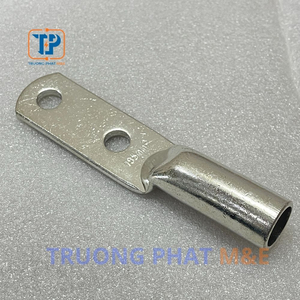
2-Hole Copper Lug (185mm²)
| Attribute | Specification |
|---|---|
| Compatible cable size | 185 mm² |
| Material | Tin-plated copper |
| Number of bolt holes | 2 |
| Hole diameter | Ø12mm |
| Hole center distance | 45mm |
| Connection method | Hydraulic crimping |
| Lug style | Long body – 2-bolt mounting |
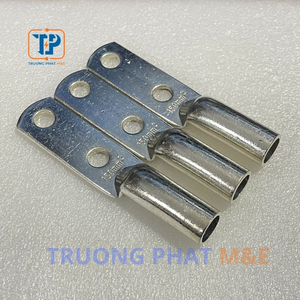
2-Hole Copper Lug (150mm²)
| Attribute | Details |
|---|---|
| Compatible wire size | 150 mm² |
| Material | Tin-plated copper |
| Number of bolt holes | 2 |
| Hole diameter | Ø12mm |
| Hole center spacing | 45mm |
| Connection method | Hydraulic crimping |
| Lug style | Long body – 2-bolt lug |
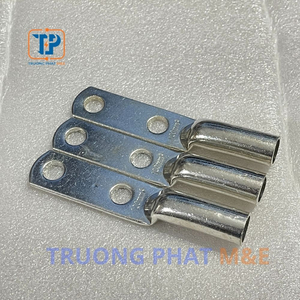
2-Hole Copper Compression Lug (120mm²)
| Attribute | Details |
|---|---|
| Compatible wire size | 120 mm² |
| Material | Tin-plated copper |
| Number of bolt holes | 2 |
| Hole diameter | Ø12mm (customizable on request) |
| Hole center distance | 45mm |
| Connection method | Hydraulic compression |
| Lug style | Long body – dual bolt |
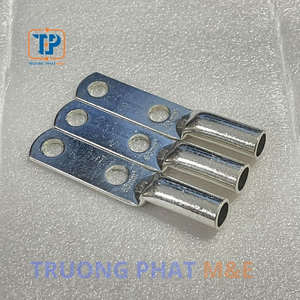
Đầu cốt đồng ép 2 lỗ (95mm2)
| Attribute | Details |
|---|---|
| Product Name | 2-Hole Copper Compression Lug (95mm²) |
| Compatible Cable Size | 95 mm² |
| Number of Bolt Holes | 2 holes |
| Hole Diameter | Ø12mm (customizable on request) |
| Hole Spacing | 45mm |
| Material | Tin-plated copper |
| Lug Type | Long neck – dual screw terminal |
| Connection Method | Hydraulic crimping |
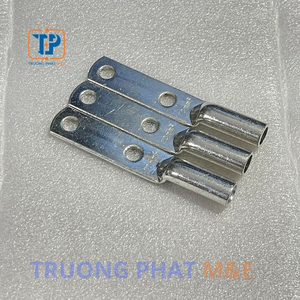
Long Copper Lug 70mm² with 2 Holes
| Attribute | Details |
|---|---|
| Product Name | Long Copper Lug 70mm² with 2 Holes |
| Suitable Cable Size | 70 mm² |
| Number of Bolt Holes | 2 holes |
| Hole Diameter | Ø10mm (customizable upon request) |
| Hole Spacing | 45mm |
| Material | Tin-plated copper |
| Lug Type | Long neck – dual screw type |
| Connection Method | Hydraulic crimping |
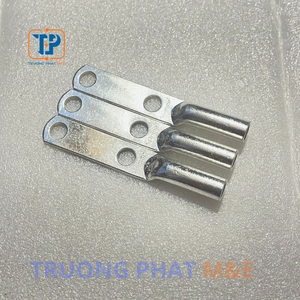
Đầu cốt đồng ép 2 lỗ (50mm2)
2-Hole Copper Compression Lug (50mm²)
| Attribute | Details |
|---|---|
| Product Name | 2-Hole Copper Compression Lug (50mm²) |
| Cable Cross Section | 50 mm² |
| Number of Bolt Holes | 2 holes |
| Hole Diameter | Ø10mm (customizable on request) |
| Hole Spacing | 45mm |
| Material | Tin-plated copper |
| Lug Type | Long neck – dual screw type |
| Connection Method | Hydraulic crimping |
📞 Hotline tư vấn:
-
0983.607.668
-
0964.602.568
-
0869.685.636
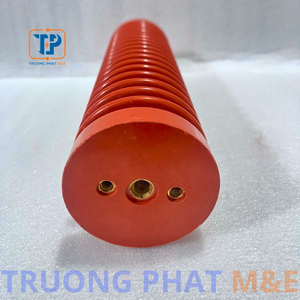
35kV MEDIUM VOLTAGE INSULATOR (J06-170)
35kV MEDIUM VOLTAGE INSULATOR (J06-170)
+ Genuine import with full CO, CQ, VAT invoice
+ Always have large inventory.
+ Support projects and agents
📞 Contact us now:
📌 Sales 1: 0983.607.668
📌 Sales 2: 0964.602.568
📌 Emergency: 0869.685.636
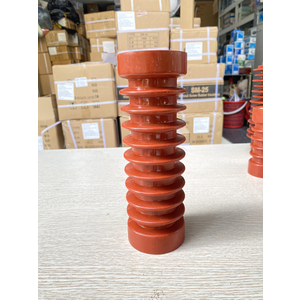
Medium Voltage Busbar Support Insulator EL-24
Medium Voltage Busbar Support Insulator EL-24
+ Genuine import with full CO, CQ, VAT invoice
+ Always have large inventory.
+ Support projects and agents
📞 Contact us now:
📌 Sales 1: 0983.607.668
📌 Sales 2: 0964.602.568
📌 Emergency: 0869.685.636
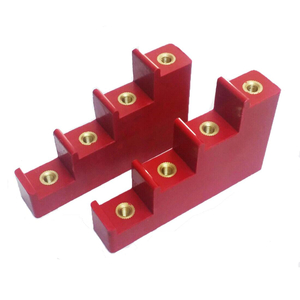
CT4-20 Ceramic Support Insulator
CT4-20 Ceramic Support Insulator
| Specification | Details |
|---|---|
| Product Name | CT4-20 Ceramic Support Insulator |
| Material | High-strength ceramic |
| Application | Clamping & supporting copper busbars |
| Compatible With | Small copper busbars (single-phase) |
| Dimensions | CT4-20 (Also available: CT4-30, CT4-50) |
| Temperature Resistance | Up to 500°C |
| Color | White ceramic |
📞 Contact us now:
📌 Emergency: 0869.685.636
Fanpage Facebook
Statistical
- Đang online 0
- Hôm nay 0
- Hôm qua 0
- Trong tuần 0
- Trong tháng 0
- Tổng cộng 0
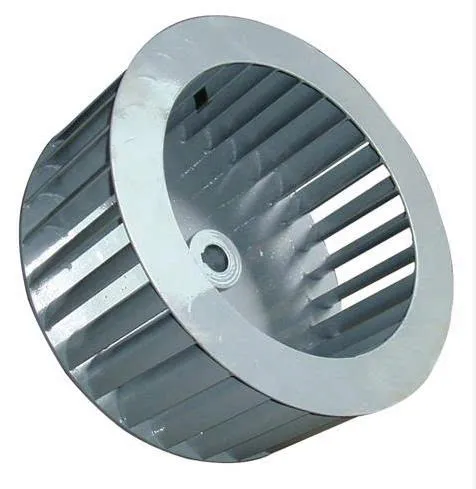
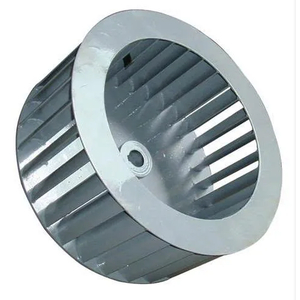
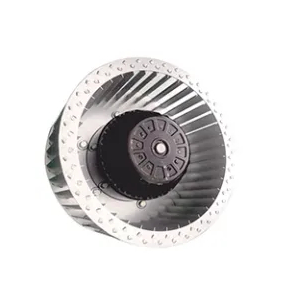
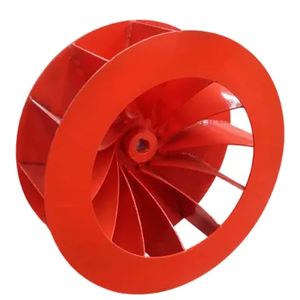
Centrifugal Fan Impeller
Cánh quạt ly tâm
Centrifugal Fan Impeller
- High airflow and pressure performance
- Stable operation, low vibration and noise
- Multiple materials: stainless steel, steel, plastic
- Suitable for ventilation, dust extraction systems
👉 Contact us now for fast consultation and correct selection
🌪️ What Is a Centrifugal Fan Impeller? Its Role, Structure, and How to Choose the Right One
In industrial ventilation systems, dust extraction, exhaust gas treatment, or fresh air supply for factories, the centrifugal fan impeller is the component that directly determines airflow, static pressure, and operating stability ⚙️. Choosing the right impeller type, material, and specifications helps the whole system run more smoothly, last longer, and save more energy.
On the Phu Kien Tu Dien website, there are currently many related product groups such as ventilation fans, dust filter pads, and electrical cabinet exhaust fans, allowing users to build a more synchronized support system for electrical cabinets, workshops, and technical rooms.
🔍 What Is a Centrifugal Fan Impeller?
A centrifugal fan impeller is the main rotating part of a centrifugal fan, mounted on the shaft and operating on the principle of centrifugal force to move air. When the motor runs, air is drawn into the center of the fan and then pushed outward at a right angle to the shaft 🌬️.
Unlike axial fans, centrifugal fans offer the advantage of higher pressure, making them suitable for systems with long ductwork, multiple bends, or applications involving dust extraction, smoke removal, hot air exhaust, or long-distance air delivery. That is why the quality of the centrifugal fan impeller has a major impact on the performance of the entire system.
🧩 The Important Role of a Centrifugal Fan Impeller
It is not an exaggeration to say that the centrifugal fan impeller is the aerodynamic heart of an industrial fan. This component directly affects operating efficiency and service life.
A quality impeller helps:
-
Maintain stable airflow
-
Generate pressure suitable for the duct system
-
Reduce vibration during operation
-
Minimize noise
-
Decrease motor load
-
Extend the lifespan of bearings, shaft, and motor
On the other hand, choosing the wrong impeller type or using an impeller with poor dynamic balance can lead to strong vibration, motor overheating, and reduced airflow, or even early failure after a short period of use.
🛠️ Basic Structure of a Centrifugal Fan Impeller
A centrifugal fan impeller usually consists of the following main parts:
-
Hub: the part that connects the impeller to the motor shaft
-
Side plates / discs: maintain the overall geometry of the impeller assembly
-
Blades: the elements that directly create airflow and pressure
-
Reinforcing ring / support frame: keeps the impeller stable when rotating at high speed
Depending on the application, the impeller may differ in:
-
Number of blades
-
Blade angle
-
Blade curvature
-
Impeller diameter
-
Blade width
-
Material thickness
Common manufacturing materials
-
Powder-coated steel: widely used in standard industrial ventilation systems
-
Stainless steel: suitable for humid, corrosive, or chemical-laden environments
-
PP / PVC plastic: used in specialized chemical environments
-
Composite / FRP: lightweight and highly resistant to corrosion, ideal for exhaust gas systems
📌 Common Types of Centrifugal Fan Impellers
1️⃣ Radial blade impeller
This type has blades arranged almost directly from the center outward. It handles dust well, resists clogging, and is commonly used for:
-
Wood dust extraction systems
-
Fine dust collection
-
Sawdust extraction
-
Light particle and debris handling
2️⃣ Forward-curved impeller
This type provides high airflow and can operate with lower noise at certain load ranges. It is often used for:
-
Residential and commercial ventilation systems
-
AHU and HVAC systems
-
Fresh air supply
-
Factory cooling systems
3️⃣ Backward-curved impeller
This is a highly regarded design for energy efficiency, stable operation, and lower risk of motor overload in many industrial applications 🚀.
Suitable for:
-
Smoke extraction systems
-
Exhaust gas treatment systems
-
Fans with high system resistance
-
Continuous-duty industrial ventilation systems
✅ Key Advantages of a High-Quality Centrifugal Fan Impeller
A properly manufactured impeller delivers many practical benefits:
-
Good aerodynamic efficiency
-
Higher static pressure than standard fans
-
Stable operation in industrial environments
-
Easy integration with the fan housing and motor
-
Can be custom-fabricated for specific technical requirements
-
Suitable for dusty, hot, humid, or chemical environments
🏭 Practical Applications of Centrifugal Fan Impellers
In real-world installations, centrifugal fan impellers are widely used in:
-
Dust extraction systems for woodworking and mechanical workshops
-
Welding fume and hot air exhaust systems
-
Odor control and industrial exhaust treatment systems
-
Basement, warehouse, and workshop ventilation systems
-
Industrial electrical cabinets requiring forced cooling
-
Technical rooms, machine rooms, and UPS rooms
To improve durability and overall system performance, many contractors also combine them with accessories such as ventilation fans with dust filter pads, electrical cabinet exhaust fans, dust filter pads, or cabinet heaters to better control temperature and dust during operation.
📐 How to Choose the Right Centrifugal Fan Impeller
When selecting a centrifugal fan impeller, it is important to rely on technical criteria rather than appearance alone.
1. Choose based on the application
-
Dust extraction → prioritize dust-resistant, low-clogging blade designs
-
Smoke / hot air exhaust → use heat-resistant materials
-
Chemical exhaust → choose stainless steel, PP, or FRP
-
Fresh air supply → select high-airflow, low-noise impellers
2. Choose based on airflow and pressure
You need to clearly determine:
-
Required airflow (m³/h)
-
Required static pressure (Pa or mmAq)
-
Duct length and layout
-
Number of elbows, dampers, and fittings in the duct line
3. Choose based on material
The material must match the actual working environment:
-
Standard workshop environment → powder-coated steel
-
Humid environment → stainless steel
-
Chemical environment → PP plastic or composite
4. Check dynamic balancing
This is a critical factor. The higher the rotational speed, the more important proper dynamic balancing becomes to prevent:
-
Excessive vibration
-
Bearing wear
-
Shaft misalignment
-
Weld cracking
5. Choose a reliable manufacturer or supplier
It is best to work with a supplier that offers:
-
Experience with industrial fans
-
Accurate fabrication according to drawings
-
Consultation based on real operating conditions
-
Synchronized accessory and replacement support
⚠️ Common Problems When Using a Centrifugal Fan Impeller
These are some of the most common issues in operation:
Strong vibration
Causes:
-
Poor dynamic balance
-
Dust buildup over time
-
Deformation due to impact
Solutions:
-
Clean the impeller regularly
-
Inspect the shaft and bearings
-
Rebalance the impeller dynamically
Weak airflow
Causes:
-
Incorrect blade design
-
Wrong rotation direction
-
Obstruction in the duct system
Solutions:
-
Check the motor rotation direction
-
Verify the design specifications
-
Clean the ductwork and filter section
Motor overheating
Causes:
-
Impeller too heavy
-
Fan operating under overload
-
High friction in the bearings
Solutions:
-
Check motor power rating
-
Review the actual load conditions
-
Perform periodic maintenance on the rotating assembly
Fast corrosion of the impeller
Causes:
-
Wrong material selection
-
Exposure to acidic or alkaline vapors
-
Inadequate protective coating
Solutions:
-
Switch to a more suitable material
-
Improve the protective coating
-
Isolate the corrosive air source when possible
❓ FAQ – Frequently Asked Questions About Centrifugal Fan Impellers
1. What is the difference between a centrifugal fan impeller and an axial fan blade?
A centrifugal fan impeller generates higher pressure, making it more suitable for long duct systems and industrial applications with higher resistance.
2. Is a backward-curved impeller better than a forward-curved impeller?
Not in every case. A backward-curved impeller is often more efficient, but the right choice depends on the actual application.
3. Can a centrifugal fan impeller be used in chemical environments?
Yes, but the correct material must be selected, such as stainless steel, PP, or composite, to resist corrosion.
4. When should a centrifugal fan impeller be replaced?
It should be replaced when it is cracked, heavily worn, severely vibrating, out of balance, or no longer meets the required airflow and pressure.
5. Is it advisable to custom-fabricate an impeller?
Yes. For specialized systems, a custom impeller designed to match real operating conditions will often provide better performance.
6. Does a centrifugal fan impeller require regular maintenance?
Yes. It should be inspected periodically for dust buildup, vibration, weld condition, alignment, and bearing condition.
7. Should I choose an impeller based on diameter alone?
No. You should consider airflow, static pressure, rotational speed, and operating environment, not just the diameter.
8. Can only the impeller be replaced without changing the whole fan?
Yes, if the shaft, motor, and fan housing are still compatible. However, dimensions and dynamic balance must be checked carefully.
🎯 Conclusion
The centrifugal fan impeller is a core component that determines the effectiveness of industrial fans in dust collection, smoke extraction, ventilation, and exhaust treatment systems. A proper understanding of its structure, materials, blade type, and operating conditions will help you choose the right product, reduce failures, and optimize long-term costs.
If you are installing a ventilation system or upgrading an industrial fan, prioritize a technically suitable centrifugal fan impeller, and consider combining it with supporting accessories such as exhaust fans, dust filters, and cabinet temperature-control devices for a more durable and reliable system.
TRUONG PHAT ELECTRICAL EQUIPMENT CO., LTD
📍 Address: No. 47, Lane 26, Van Phu Urban Area, Phu La, Ha Dong, Hanoi
☎️ 📞 Hotline:
📌 KD1: 0983.607.668-ZALO
📌 KD2: 0964.602.568-ZALO
📌 KD3: 0984.345.846-ZALO
📌 Khẩn cấp: 0869.685.636-Technical Support
🌐 Websites:
phukientudien.com.vn | codientruongphat.com
📩 Email: kinhdoanh3@truongphatme.com
Sản phẩm cùng loại